❋
The museum of modern art
2015 - Co:Collective Ethnographic Research/UX design/Creative Strategy/Art Direction/Brand Architecture & Strategy
bringing new life
to mOMA, AND RECONNECTING THE MUSEUM WITH THE CITY THAT SHAPED IT.
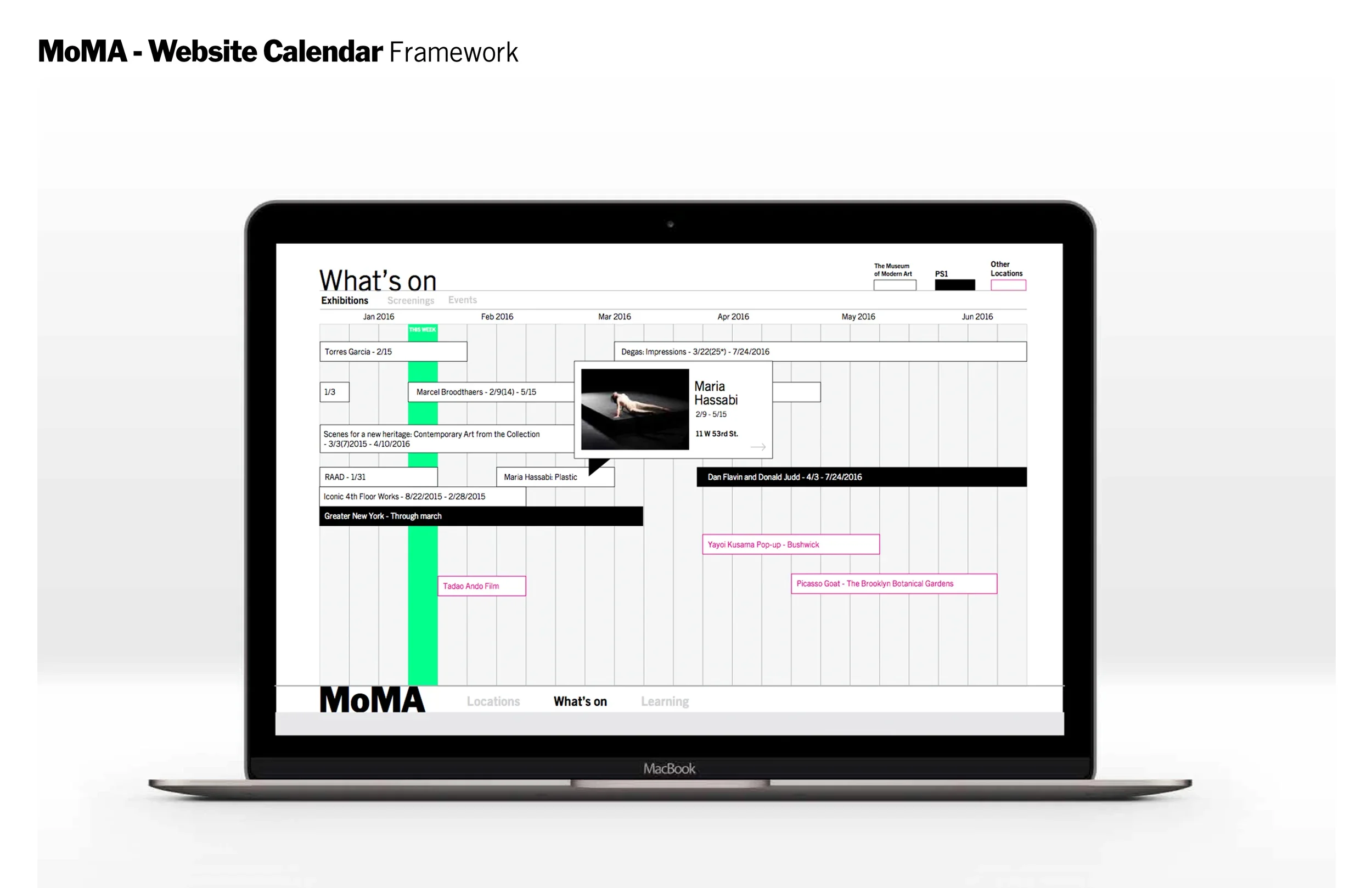
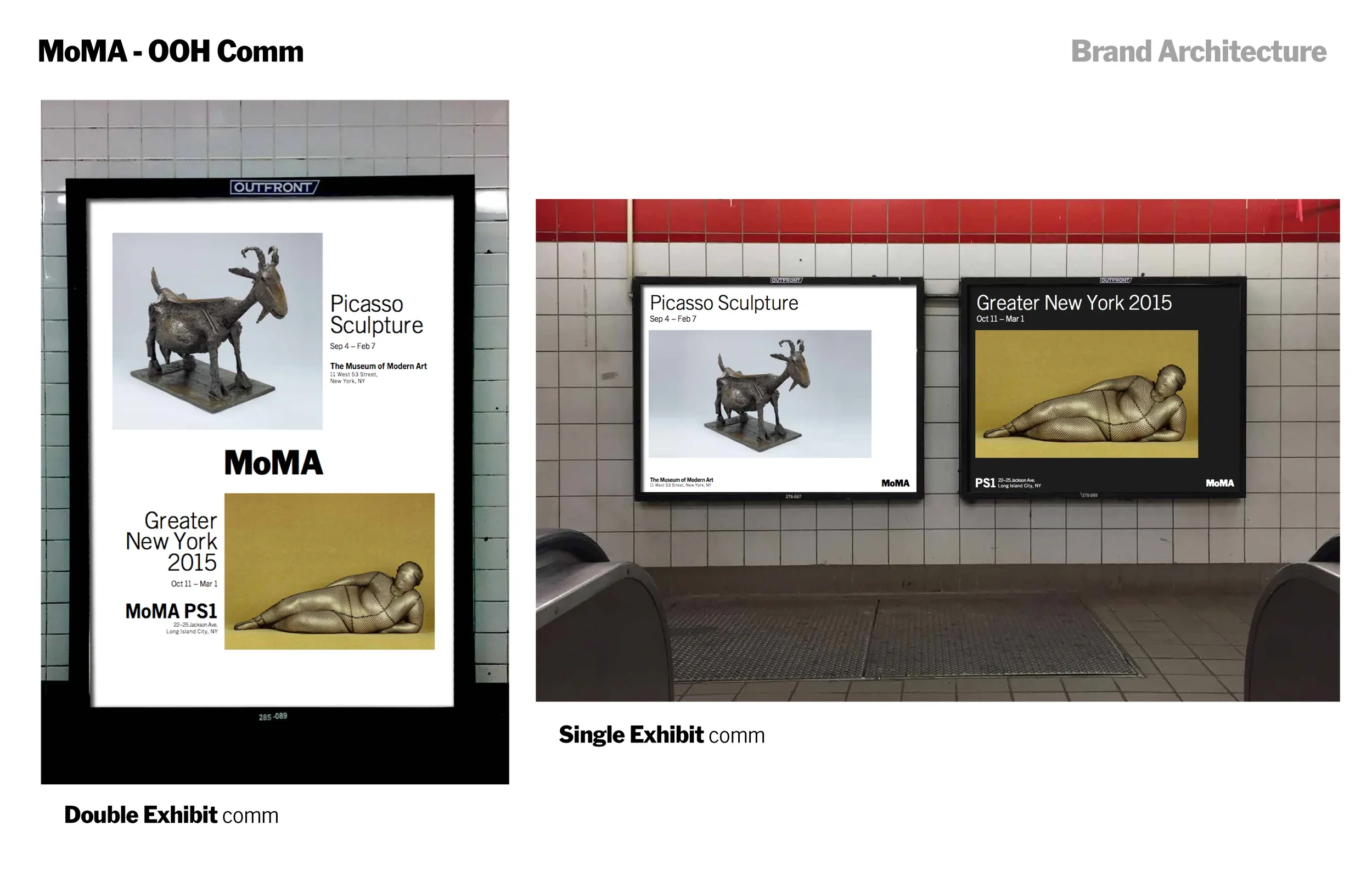
In 2015, we set out to reexamine MoMA’s purpose, reconnect MoMA and MoMA PS1 through a cohesive brand architecture, and informing how the institution engaged with its audiences.
Beginning with ethnographic research, we uncovered insights into visitor behavior and needs that informed a renewed brand strategy and its translation into the end-to-end museum experience, from digital discovery and visit planning to navigating the museum itself.
❋ THE CHALLENGE
An iconic institution in need of a renewed sense of connection.
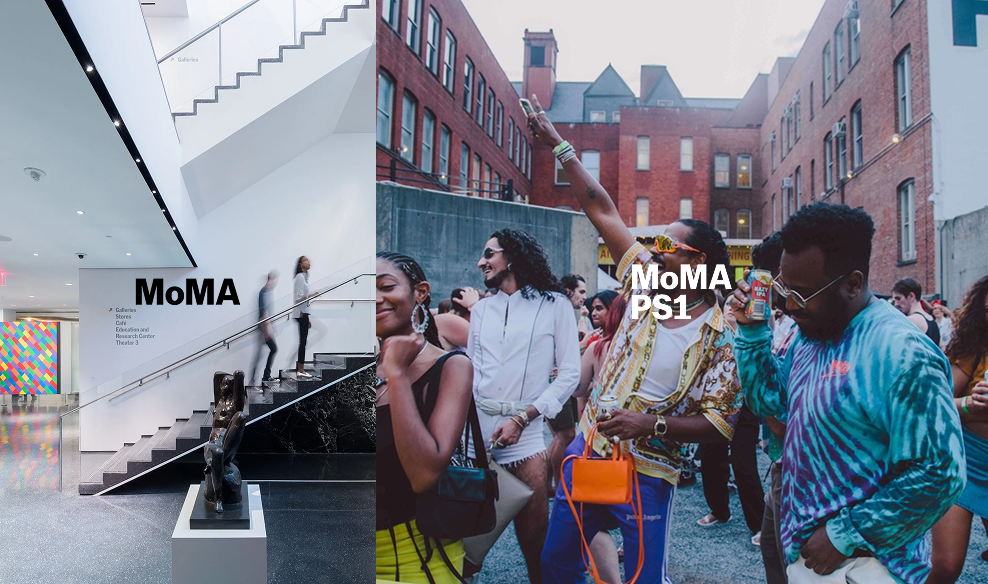
MoMA and MoMA PS1 had grown apart in how they were perceived and experienced. While MoMA was recognized as an established cultural institution, it could also feel intimidating and inaccessible. PS1, meanwhile, had a more experimental identity and a different relationship with New York’s creative communities
The challenge was to bring these two identities into a more cohesive relationship while preserving what made each distinctive.
❋ THE CHALLENGE
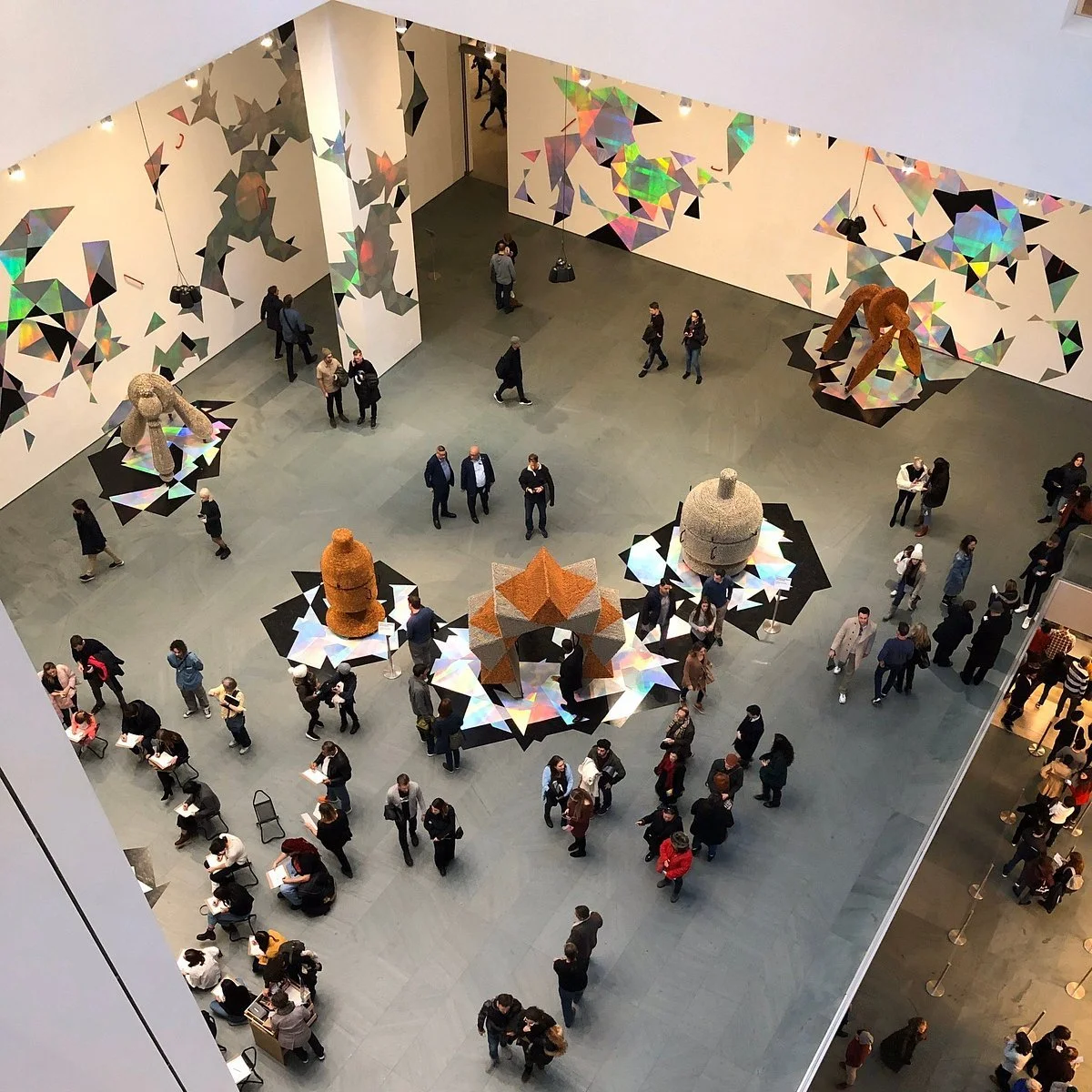
At the same time, the visitor experience had grown fragmented and hard to navigate.
From planning a visit online to navigating the museum itself, there were missed opportunities to connect people more meaningfully with the art, the institution, and one another.
The question wasn’t simply how to improve the museum experience. It was how to redefine MoMA’s relationship with its audiences.
The problem wasn't the art itself. it was the museum experience around it.
❋ THE DISCOVERY
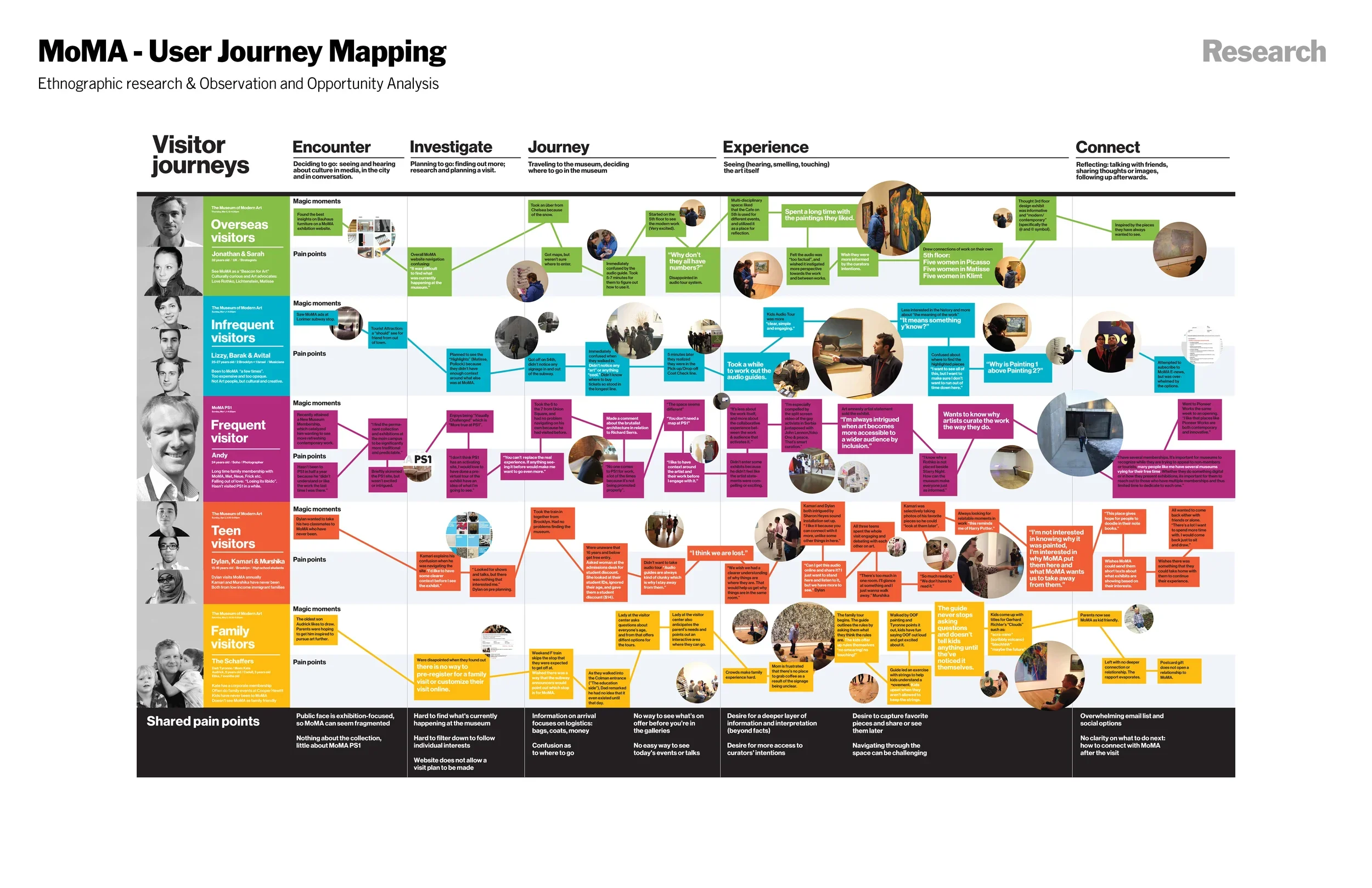
To ground our strategy in real human behavior, I led ethnographic research, shadowing five distinct visitor personas and mapping their journeys through the museum.
❋ THE CORE INSIGHTS
The research examined the entire experience, from discovering MoMA online and planning a visit to navigating its galleries, engaging with exhibitions, and maintaining a relationship with the institution afterward.
The goal was to understand not only where visitors encountered friction, but also where MoMA had opportunities to create deeper cultural and emotional connections.
-
MoMA’s online experience emphasized exhibitions without fully communicating the richness of its collection, history, and cultural offerings.
-
Visitors struggled to discover what was available, explore their interests, and shape their experience before arriving.
-
On arrival, the experience immediately focused on logistics: bags, coats, money, queues. There was no orientation, no sense of being introduced to the space or guided toward what mattered. The museum greeted people with friction before it greeted them with art.
-
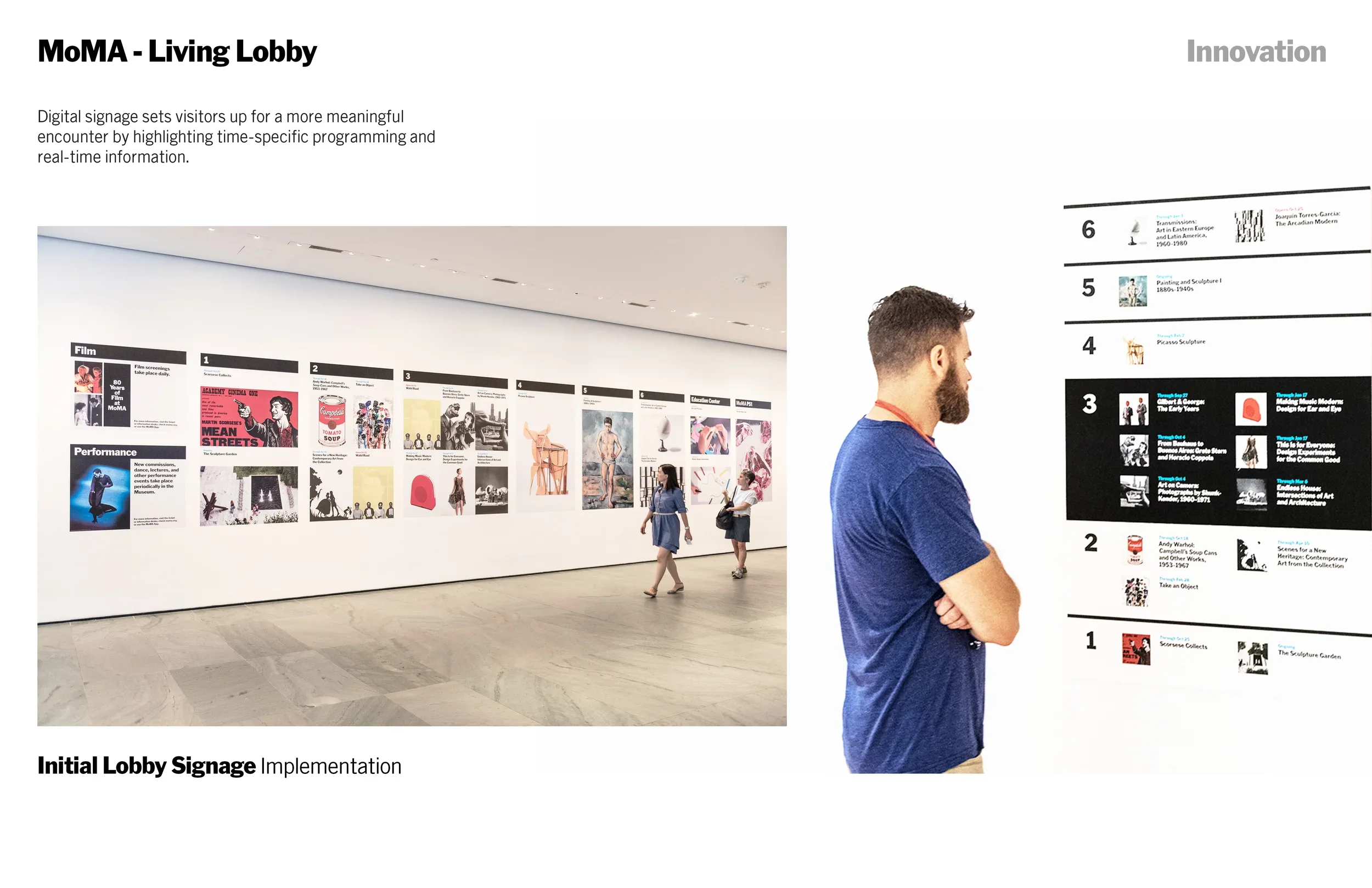
Once inside, the signage was confusing and the interior complex. There was no easy way to understand what was on offer before entering a gallery, and no visible access to talks or events happening that day. People, including frequent visitors, regularly felt lost.
-
Visitors wanted more than information. They wanted interpretation: curators' intentions, the why behind how work was placed, the ideas and movements connecting what they were seeing. That layer simply wasn't accessible.
-
There were limited opportunities to continue engaging with MoMA after a visit, particularly through meaningful digital experiences and membership.
❋ THE OUTCOMESo, Our research informed ❋ a new brand architecture and ❋ naming system, bringing greater clarity to the relationship between MoMA, MoMA PS1, and the institution’s broader offerings.
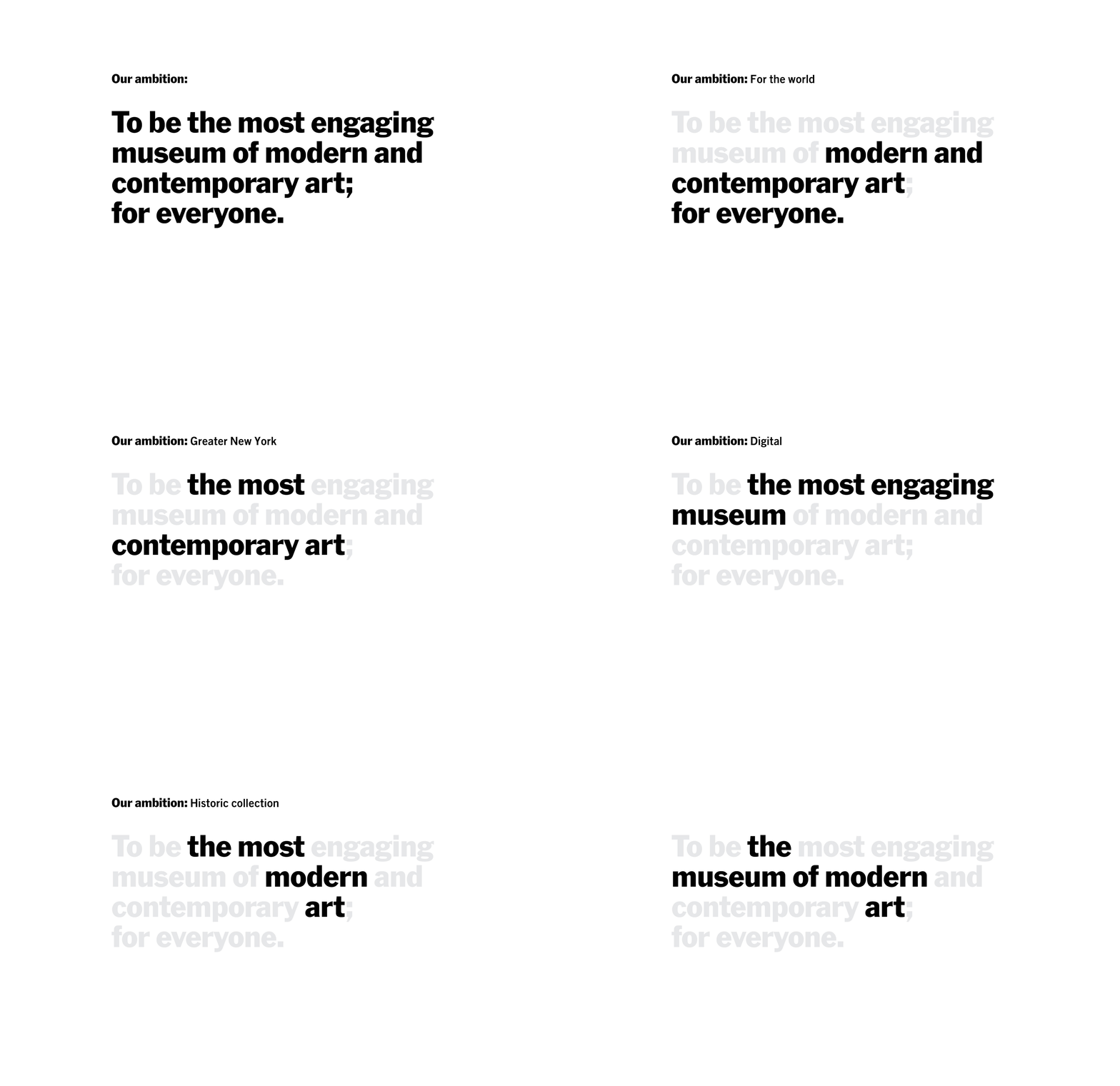
But the ambition extended beyond defining the brand.
The goal was to translate that renewed vision into the ways people actually experienced MoMA.
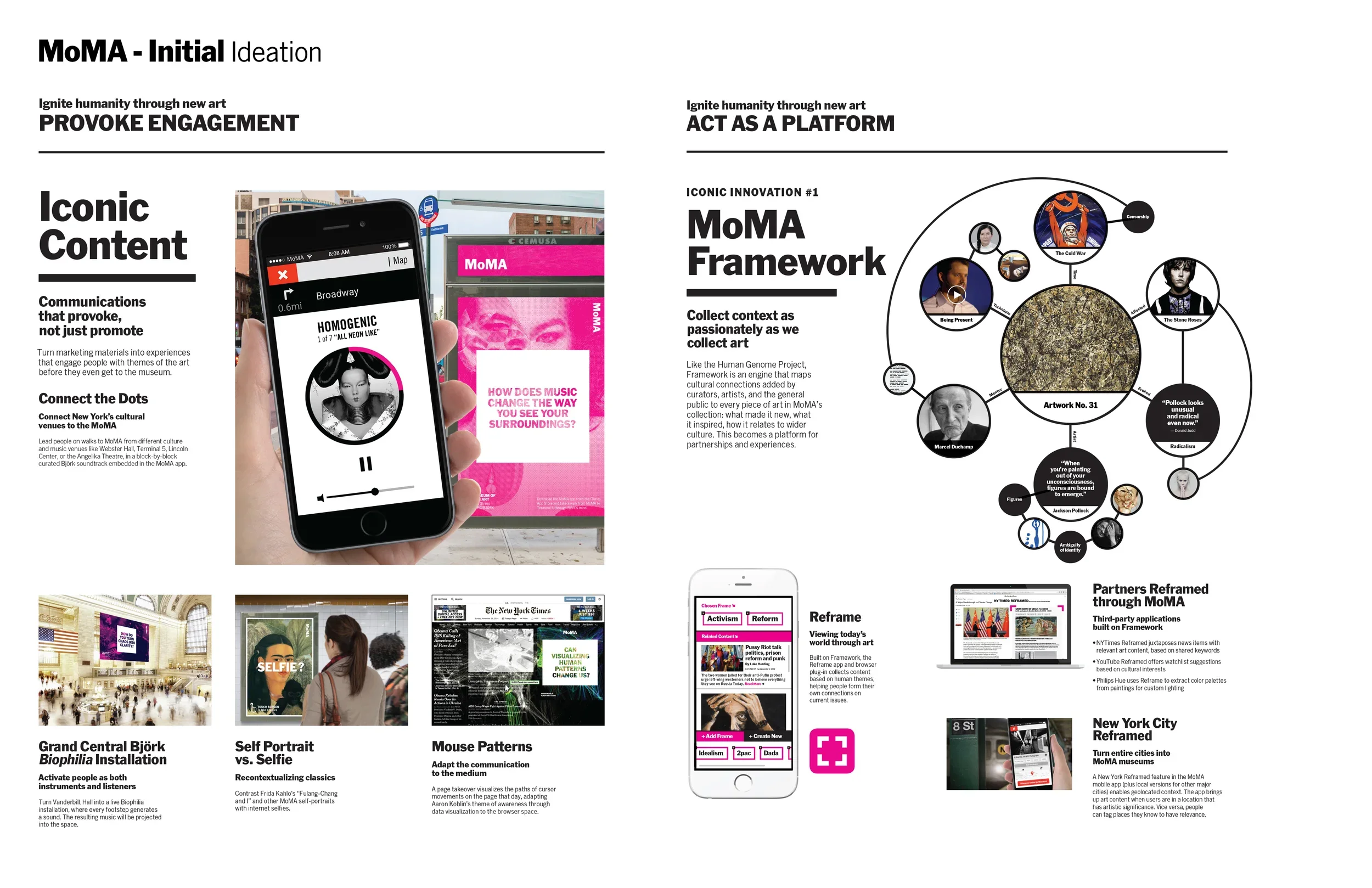
Working across departments, we helped develop a series of initiatives to reimagine the museum’s relationship with its visitors.
❋ Create more intuitive ways to discover and navigate the museum.
❋ Develop more responsive, personalized visitor experiences.
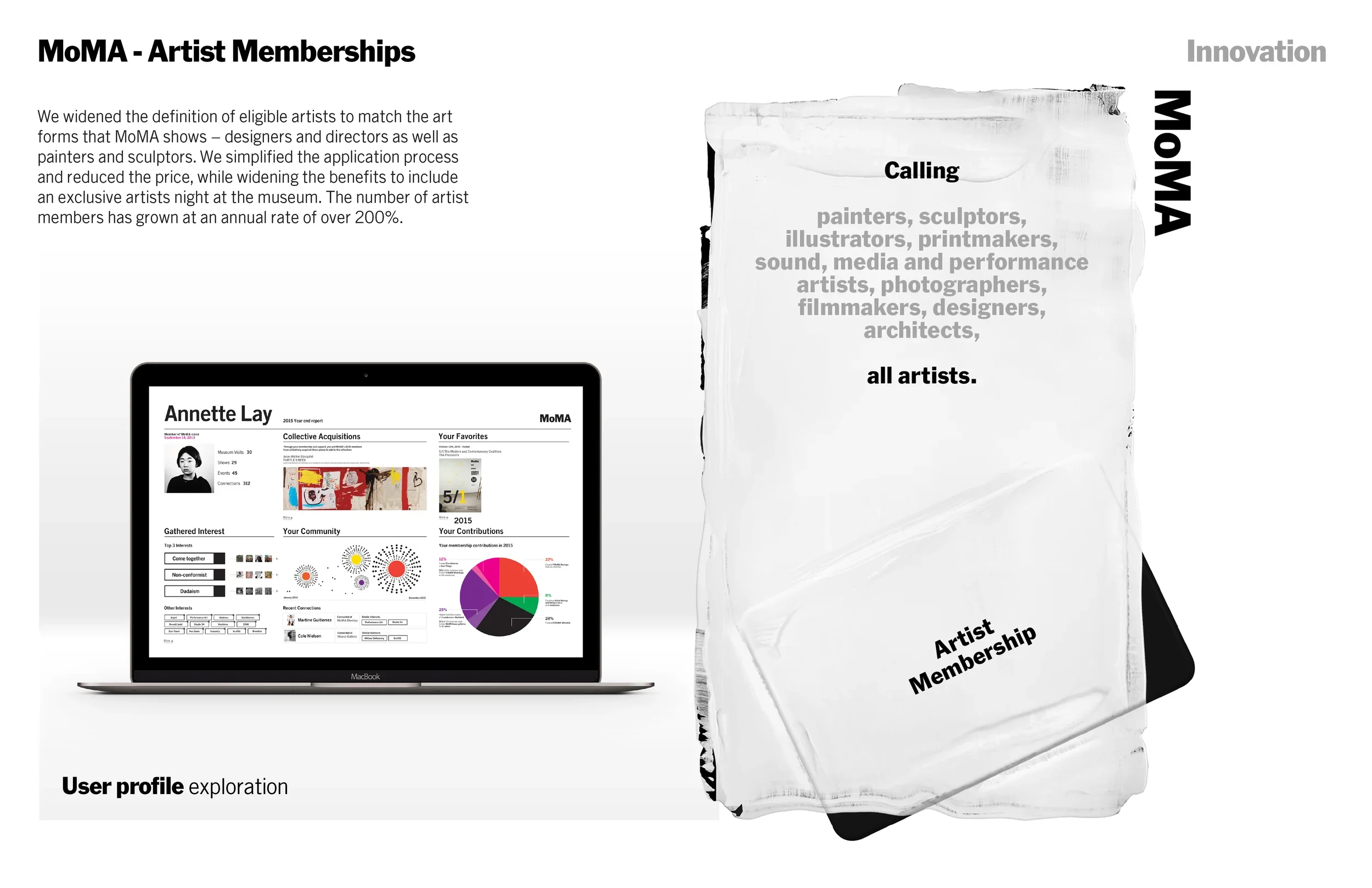
❋ Deepen membership and ongoing audience engagement.
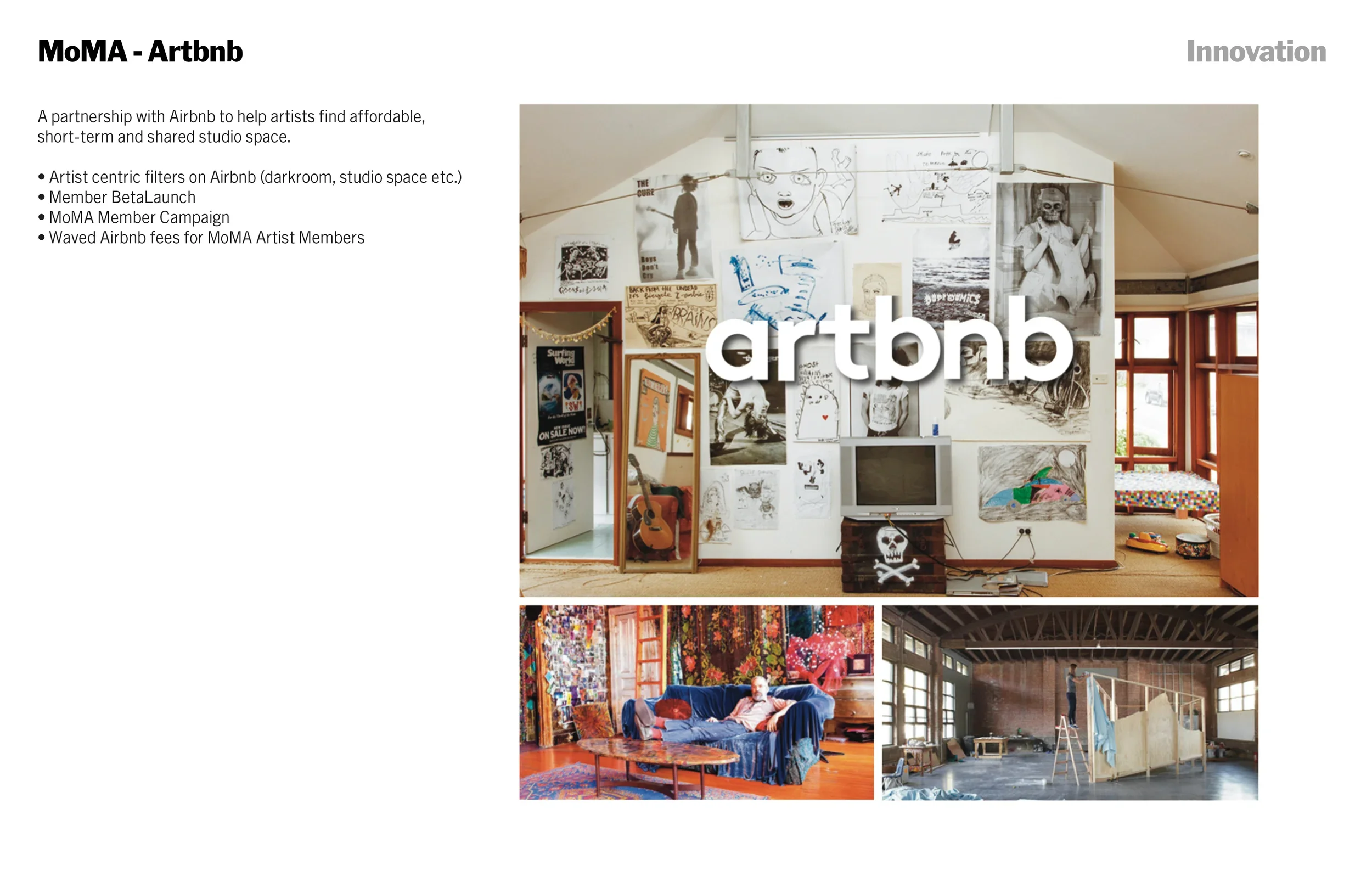
❋ Strengthen MoMA’s connection with New York’s artists and creative communities.
❋ Extend the museum experience beyond its physical walls.
The first wave of innovations began rolling out in 2015.